The Complete Guide to Dental Bonding for a Perfect Smile
Have you ever looked in the mirror and wished you could just “fill in” a small chip on your front tooth or hide a stubborn gap? If you’re looking for a quick way to fix those imperfections, Dental Bonding is often the fastest and most affordable answer. It is a fantastic way to get a confidence boost without spending weeks waiting for porcelain labs to finish a crown.
What Exactly is Dental Bonding?
In simple terms, it is the process of applying a tooth-colored composite resin to the surface of your tooth. We shape the material to look natural and then harden it with a special high-intensity light. Unlike veneers, which are made in a lab, this happens right in the chair.
From my experience, the beauty of this procedure is that it’s minimally invasive. In about 90% of cases, we don’t even need to numb the area because we aren’t drilling deep into the tooth. We just prep the surface, apply the resin, and polish it. It’s a streamlined process that usually takes less than an hour per tooth.
You can think of it like a high-tech sculpting session for your smile. We match the shade of the resin to your surrounding teeth so the fix is virtually invisible. When done right, your friends won’t even know you had work done; they’ll just notice you’re smiling more.
Who is the Best Candidate for Dental Bonding?
Not every dental issue can be solved with resin, but it works wonders for a variety of common problems. If you have a chipped edge from a clumsy moment or a small gap between your front teeth, this is usually the go-to choice. It is also great for covering those dark stains that a professional whitening treatment just can’t touch.
We often see people who want to fix a “worn down” look. As we age, our teeth can shorten or flatten. Adding a bit of composite can restore that youthful length. I’ve seen patients walk in feeling like they looked ten years older than they actually were, and leaving the office feeling refreshed.
However, if you have a very large cavity or a severely cracked tooth, a crown might be a better bet. Bonding is for cosmetic enhancements and minor repairs. If the structural integrity of the tooth is compromised, we need a stronger solution to ensure your tooth doesn’t break under pressure.
The Process and Experience at Liu Family Dentistry
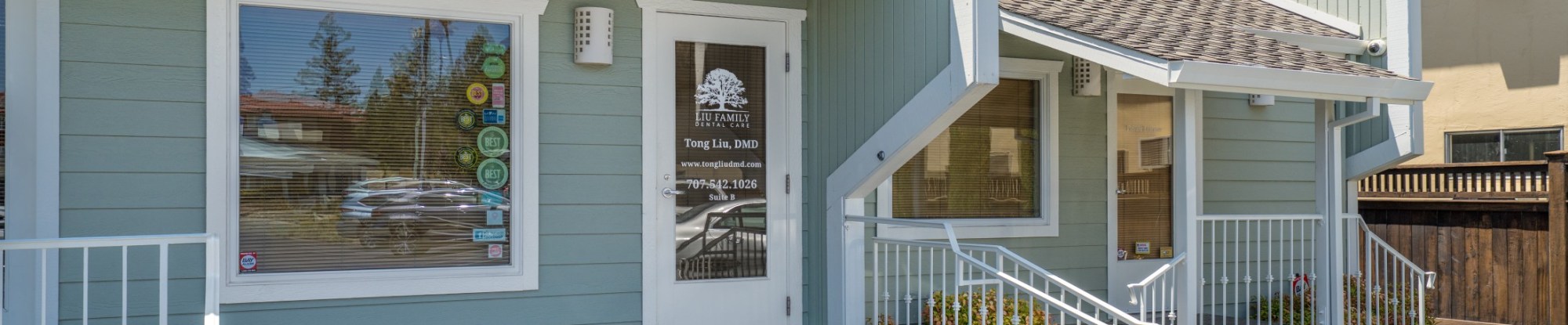
When you visit us in Santa Rose, CA, we start with a simple consultation. We look at the tooth and decide if the resin is the right material for your specific goal. We also talk about the expected longevity of the repair.
The actual procedure is surprisingly relaxing. We clean the tooth and apply a conditioning liquid that helps the bonding material stick. Then, we apply the resin in layers. We shape it carefully to make sure it doesn’t interfere with your bite. This is the “art” part of the job.
Once the shape is perfect, we use a curing light to set the material instantly. We finish by polishing the tooth to a high shine. Most patients tell us they felt no pain at all. In fact, some people actually fall asleep in the chair because it’s such a low-stress experience.
Maintenance and Long-Term Care
Because the resin is a composite material, it isn’t quite as strong as your natural enamel or a porcelain crown. It can stain over time if you drink a lot of coffee or red wine. I always tell my patients that while the bond is strong, it’s not indestructible.
To keep your smile looking fresh, avoid biting your fingernails or chewing on ice. These habits can chip the resin. If you stick to a standard brushing and flossing routine, your bonding can easily last 5 to 10 years. Some of our patients at Liu Family Dentistry have had their bonding last even longer with great care.
If a chip does happen, don’t panic. Unlike a porcelain veneer that would need to be completely replaced, bonding can be “patched.” We can simply add a bit more resin to the area and polish it back to perfection. It’s a very forgiving material.
Comparing Bonding to Other Options
People often ask us if they should get veneers instead. Veneers look amazing and are more stain-resistant, but they require removing a significant amount of your natural tooth structure. Bonding is “additive,” meaning we add to the tooth rather than taking away from it.
In terms of cost, bonding is significantly cheaper. While a veneer might cost several hundred dollars per tooth, bonding is a fraction of that. For someone on a budget who still wants a quick fix, it’s the most logical choice. It allows you to get the result you want without the financial stress of a major overhaul.
Every person’s story is different. Some want a Hollywood smile, while others just want to stop hiding their mouth with their hand when they laugh. We tailor the treatment to your specific needs. Whether you are looking at the terms of your insurance or paying out of pocket, we help you find a path that works.
If you’re browsing our site and looking at the home page or reading a review generation section, you’ll see that our patients value honesty. We won’t suggest a procedure you don’t need. Our goal is to give you a result that feels natural and lasts.
If you have questions about the terms and conditions of your dental plan or just want to know if you’re a candidate, we’re here to help. You don’t have to live with a chipped tooth any longer than you want to.
Let’s get your smile back to where you want it to be. We can sit down, look at your teeth, and figure out the best plan together.
Transform Your Smile in a Single Visit!
Ready to fix chips, cracks, or discoloration? Dental bonding offers a quick, affordable solution to enhance your smile at Liu Family Dental Care.